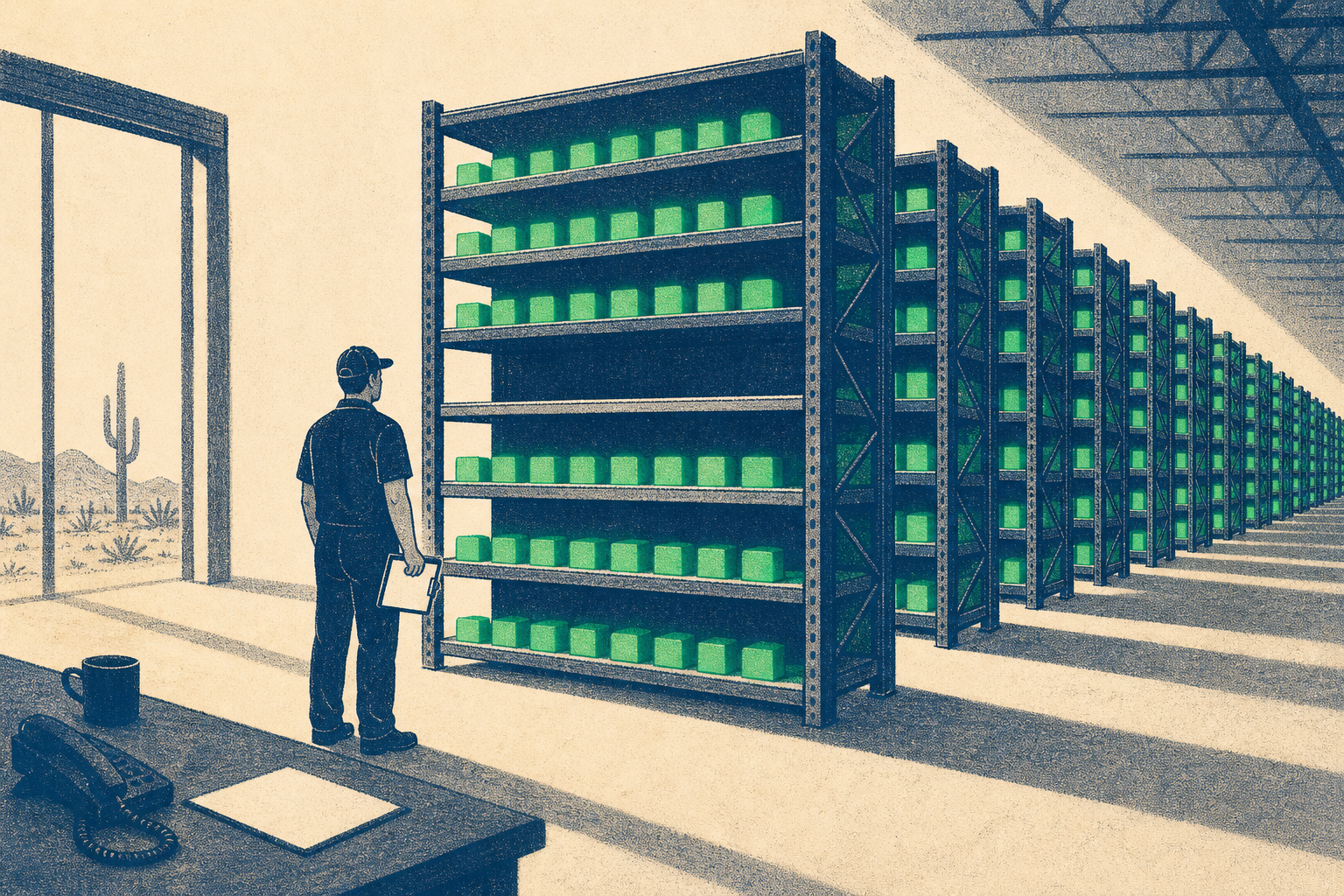


Every Agency Says They're Different. Most Are Running the Same Playbook.
You've probably seen it before. You hire a digital marketing agency, get onboarded through a polished process, and then realize three months later that your campaigns look almost identical to what your competitor is running. Same ad structure. Same landing page layout. Same reporting dashboard with different logos. That's not strategy. That's a template with your name dropped in.
Generic marketing templates exist because they're profitable for agencies. Build once, deploy everywhere, collect retainers. The problem is that your business isn't generic. Your market isn't generic. And your customers are absolutely not generic. When you apply a one-size-fits-all system to a specific business in a specific market, you get average results at best and wasted budget at worst.
This is the core problem that Wise Roots was built to solve.
What "Proprietary" Actually Means (and Why It Matters)
When we say proprietary systems, we don't mean a slightly customized version of a generic framework. We mean systems that were designed from the ground up, tested in real markets, and built to solve specific problems that off-the-shelf tools can't touch.
Wise Roots operates with named, purpose-built AI systems: MAISEL, RICHARD, SPARK, and Blueprint. Each one does a specific job. Each one was built because a template couldn't do it well enough.
- MAISEL is Wise Roots' AI marketing intelligence layer. It analyzes campaign data, customer behavior, and competitive signals in real time to inform decisions that a junior account manager reviewing a weekly report would never catch.
- RICHARD is an AI-powered patient engagement and lead recovery system built specifically for healthcare practices. It was deployed at a real orthodontic practice to recover leads that fell through the cracks of a generic CRM. No template could do that. A custom system built for the specific workflows of a healthcare practice could.
- SPARK drives content and visibility strategy, built around how AI-powered search engines like Google's SGE, ChatGPT, and Gemini actually surface local business content today.
- Blueprint is a structured growth system for businesses that want CMO-level thinking applied to their marketing, without the full-service retainer commitment.
None of these are repackaged SaaS tools. None of them came from a marketing agency template library. They were built because the market demanded something better.
The Hidden Cost of Template-Based Marketing
Generic templates feel safe because they look professional and they're fast to deploy. But they carry a real cost that most business owners don't see until it's too late.
You're Paying for Someone Else's Learning Curve
When an agency deploys the same template across a large client roster, the template gets smarter over time, but the insights from your campaigns are being averaged into a pool that also includes businesses with completely different goals, audiences, and markets. You're subsidizing their system while your specific performance data gets diluted. A proprietary system built around your business captures intelligence that belongs to you and works only for you.
Templates Don't Account for Local Market Dynamics
A Phoenix restaurant competing in Scottsdale's dining corridor has a completely different competitive reality than a restaurant in Gilbert or Tempe. A geofencing campaign built on a template won't account for foot traffic patterns around Scottsdale Quarter versus downtown Phoenix. A custom-built system will. If you're not familiar with how geofencing can be used to target competitor locations specifically, this breakdown of geofencing for Phoenix restaurants is worth reading before your next campaign decision.
Generic Reporting Hides What's Actually Happening
Template reporting shows you what the agency wants you to see: impressions, clicks, cost-per-click. Proprietary systems are built to surface the metrics that connect directly to revenue outcomes. There's a significant difference between a report that shows you click-through rate and a system that shows you exactly which campaign element generated a booked appointment or a walk-in customer.
Why Healthcare and Restaurants Feel This Pain the Most
Two industries where generic templates consistently fail are healthcare practices and restaurants. Both have complex customer journeys, high local competition, and significant revenue at stake per customer.
For healthcare practices, specifically orthodontists and dental offices, lead recovery is the biggest gap. A new patient inquiry that doesn't get followed up within minutes has a measurably lower close rate. A template-based CRM doesn't solve that problem because it's not built around the specific workflow of a healthcare front desk. RICHARD was built specifically because this gap existed and no off-the-shelf solution was closing it effectively. If you want to understand what that looks like in practice, this post on how orthodontic practices use AI to recover lost leads goes deep on the mechanics.
For restaurants, the challenge is visibility and timing. A diner deciding where to eat tonight isn't responding to a brand awareness campaign from three weeks ago. They're responding to what's in front of them right now, whether that's a geofenced ad as they walk past a competitor, or an AI search result that surfaces your menu when they ask ChatGPT for dinner recommendations nearby. Templates don't build for that kind of real-time, intent-based moment. Proprietary systems do.
Get The Root delivered weekly
We respect your privacy. Unsubscribe at any time.
The Fractional CMO Advantage: Strategy Before Systems
Here's what separates Wise Roots from an agency that happens to use some AI tools. Every system we deploy is built on top of an actual strategic foundation. Josh Levine brings over 20 years of CMO-level experience to every client engagement. That means before a single campaign launches, the market positioning is clear, the customer journey is mapped, and the systems are configured to serve a specific revenue outcome.
Most agencies skip that step. They go straight to ad setup because that's what they bill for. The result is a technically functional campaign running against a strategically empty foundation. If you're trying to figure out whether a fractional CMO, a marketing consultant, or a traditional agency is the right fit for your business, this comparison is the clearest breakdown you'll find.
The systems matter. But the thinking behind the systems is what produces results.
What to Look for When Evaluating Any Marketing Partner
If you're interviewing agencies or reconsidering your current marketing setup, here are the questions that separate template shops from partners who actually build for your business:
- Can you show me exactly how your approach is different for my industry versus a client in a completely different space?
- What proprietary tools or systems do you use, and what problem were they specifically built to solve?
- How does your reporting connect back to revenue, not just traffic or clicks?
- Who is actually working on my account day to day, and what is their decision-making authority?
- Can I see results from businesses similar to mine in terms of market size and industry?
If the answers are vague, if the "proprietary system" turns out to be a reskinned version of a tool you can buy yourself, or if the reporting language never connects to dollars, you're looking at a template operation.
Built Custom. Measured in Revenue.
The Wise Roots model is built on one premise: your business deserves systems that were built for it, not handed to it. MAISEL, RICHARD, SPARK, and Blueprint exist because generic marketing infrastructure consistently underperforms when applied to the specific demands of local business growth.
If you want to see what a proprietary, CMO-led growth system looks like applied to your business, our AI content strategy service is one place to start. Or you can book a free strategy session and see exactly how we'd build something specifically for your market. No templates. No projections. Just a real plan based on where you actually are and where you want to go.
Frequently Asked Questions
See Where Your Business Ranks
Get a free competitive intelligence report. We analyze your website, scan your competitors, and test your AI search visibility, ready in 60 seconds.
Run My Analysis →Did this guide help?
Make our content appear first in your Google Search and AI Overview results by adding us as a preferred source.
Requires signing in to your Google account.
Add Wise Roots as a Google Preferred Source