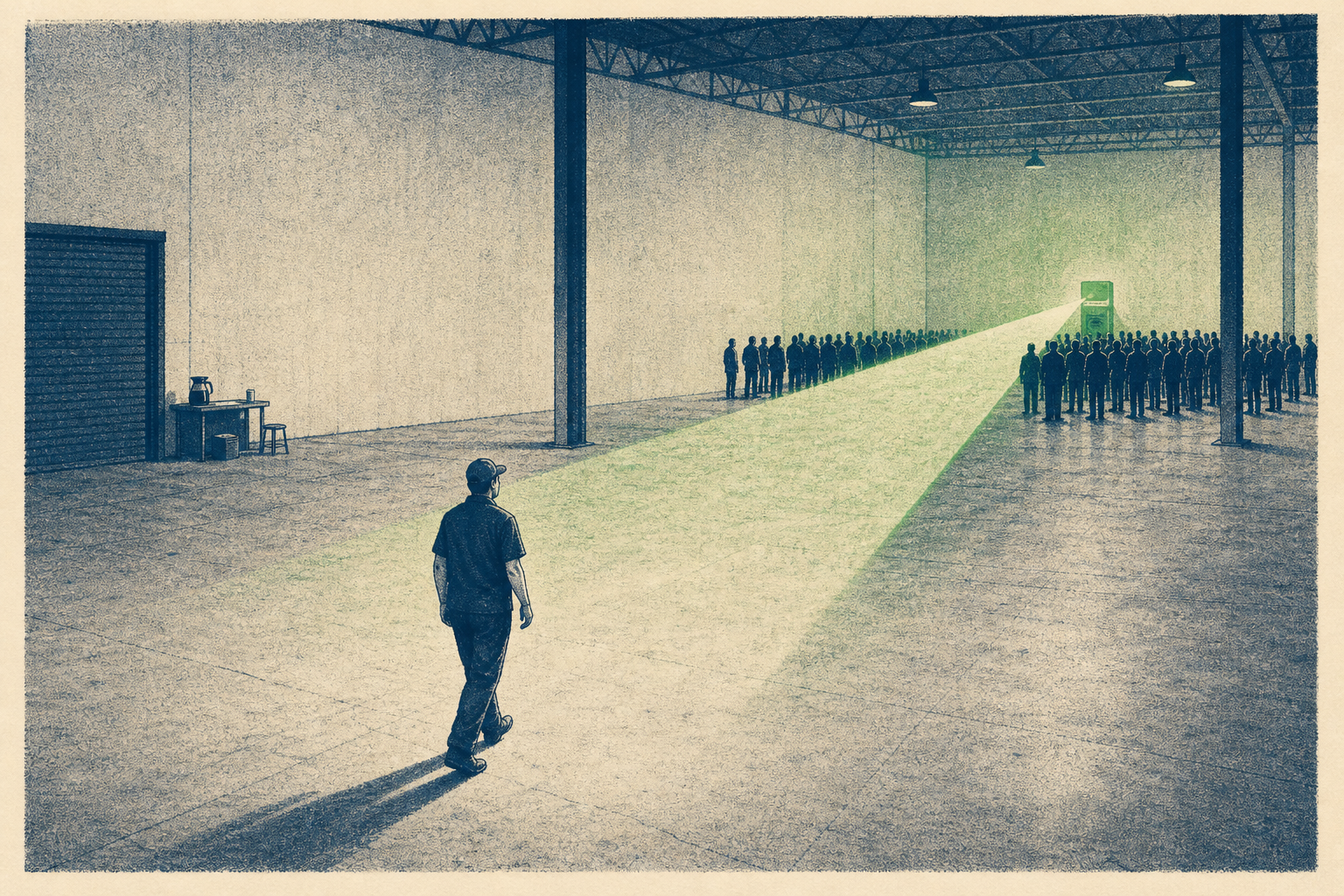

DoorDash takes 25-30% of every order your restaurant fulfills through their platform. UberEats isn't much better. And yet, most restaurant owners keep paying because they think it's the only way to stay visible. It's not.
Geofencing advertising is how smart Phoenix restaurants are getting customers through the door without giving away a third of every ticket to a delivery app.
What Geofencing Actually Is
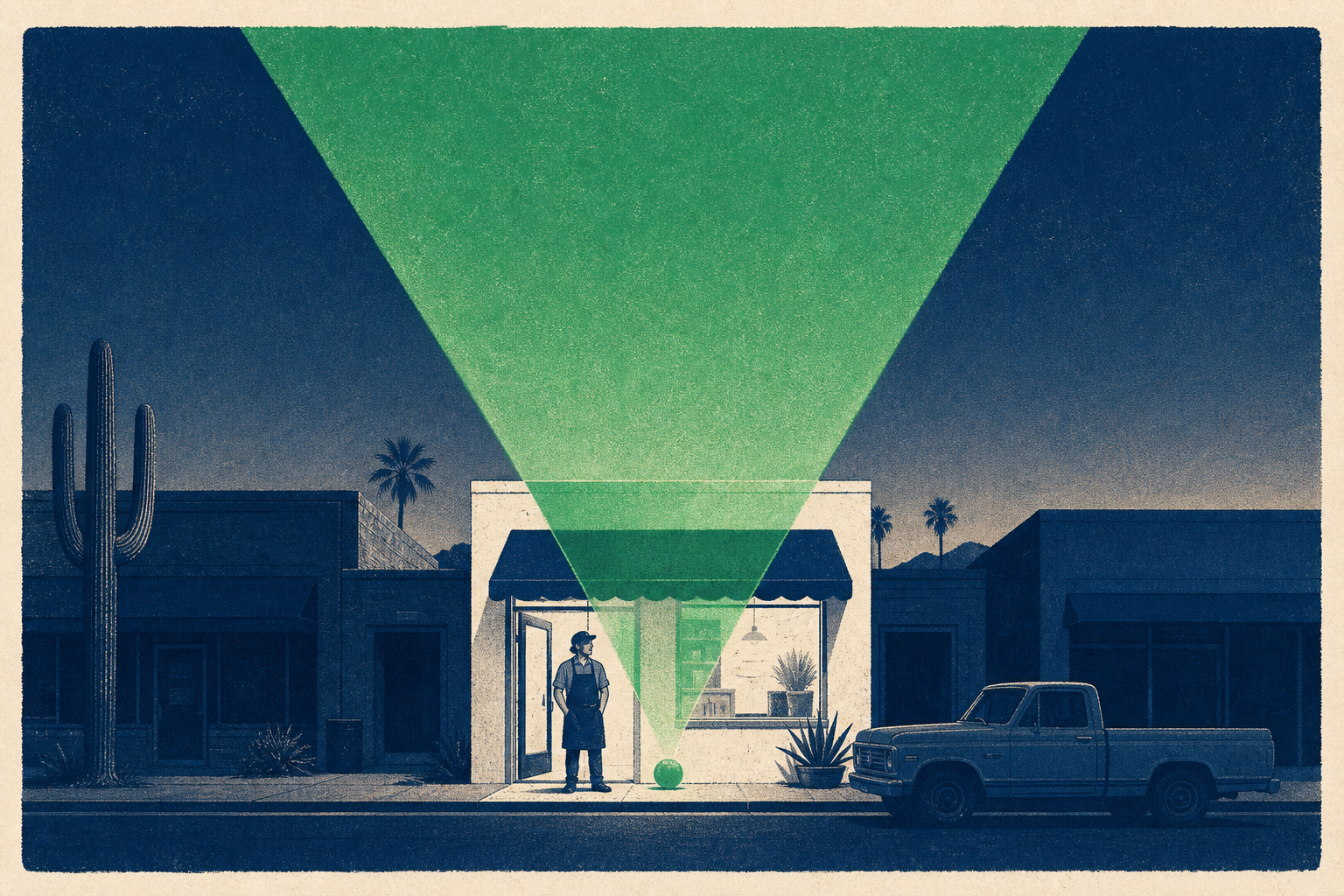
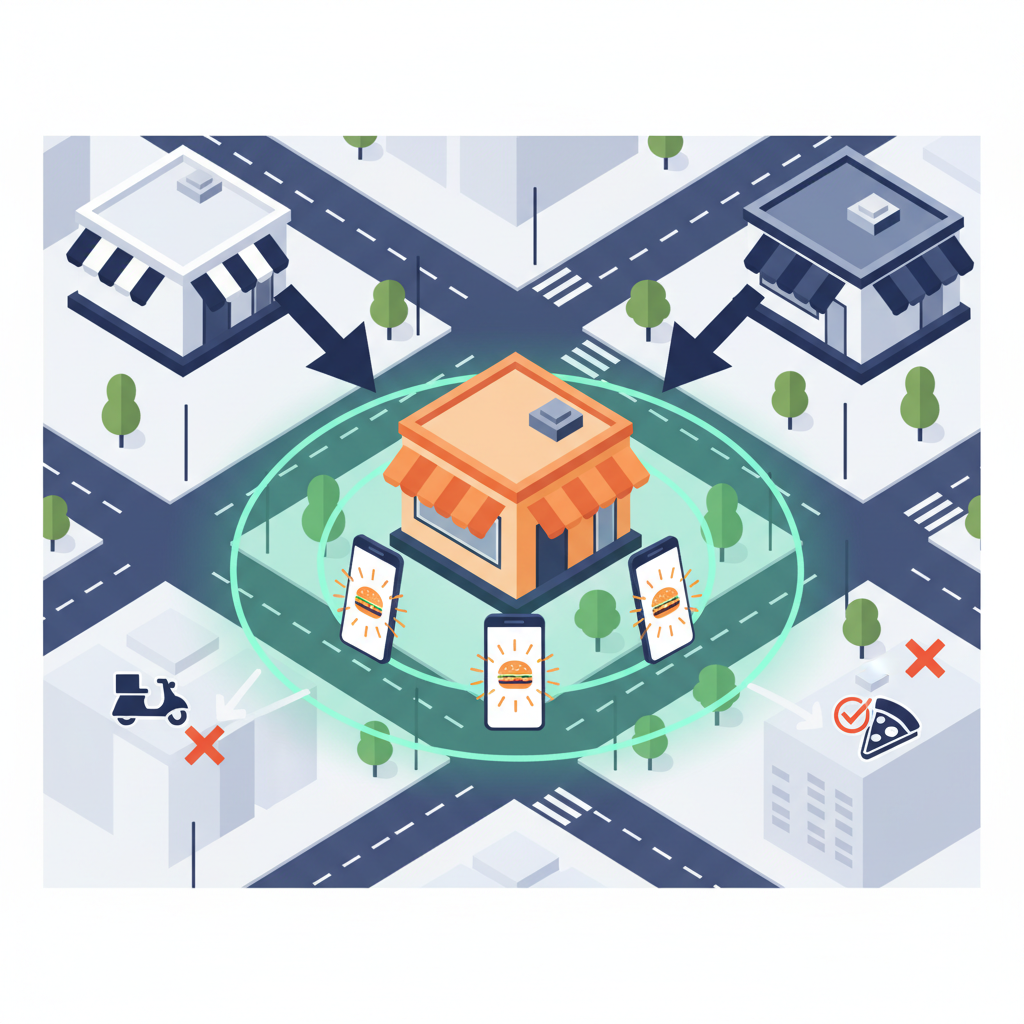
Geofencing is location-based advertising. We draw a virtual boundary around a physical location — a competitor's restaurant, an event venue, a shopping center, whatever makes sense for your business. When someone's phone enters that boundary, they become eligible to see your ads.
No cookies. No browser tracking. This is device-level targeting based on where someone physically is or was.
The precision is within 5-10 meters. That means we can target a specific restaurant entrance, a parking lot, or a section of a strip mall. It's the difference between "people who like food" and "people who are standing in your competitor's dining room right now."
And the follow-up window matters. Once a phone enters a geofenced area, we can keep serving your ads to that device for up to 30 days. Your competitor's Friday dinner customer sees your ad on Saturday morning. And Monday. And the following Thursday when they're deciding where to eat.
How Phoenix Restaurants Use Geofencing
The most obvious play: target your direct competitors. Draw fences around the three or four restaurants in your area that compete for the same customers. When their diners search for "restaurants near me" or browse social media while waiting for a table, your ad shows up.
But it gets more interesting than that.
Target DoorDash ghost kitchens and pickup spots. When someone picks up a delivery order, they're already thinking about food. They're already in the neighborhood. Show them that your restaurant is five minutes away with dine-in available right now. No 25% markup. No cold food.
Target event venues. Concert at the venue down the street? Geofence it. Sporting event? Conference? Festival? Every attendee's phone becomes an opportunity. They need to eat before, during, or after the event. Your ad is there when they search.
Target lunch-hour business parks. This one works especially well for fast casual. Draw fences around office complexes during the 11am-1pm window. Hit those phones when workers are deciding between the same three places they always go.
What Kind of Results Are Restaurants Seeing?
We've run geofencing campaigns for multiple Phoenix-area restaurants, and the numbers consistently outperform traditional digital ads for foot traffic.
A multi-location restaurant client saw a 40% increase in table fills over 90 days using geofencing combined with Google Ads, at a 4.2x return on ad spend. A fast-casual concept with two locations drove a 68% increase in weekday lunch traffic using daypart-targeted geofencing — running ads only during the hours when seats needed filling.
The cost per store visit with geofencing typically runs between $3.50 and $6.00 for restaurants. Compare that to the $8-$15 per order you're losing to delivery app commissions, and the math is straightforward.
Setup time is minimal. A campaign can be live within 48 hours. We define the target locations, build the creative, and launch. Most of the work is strategic — choosing the right locations to fence and the right message for each audience.
Is Geofencing Right for Your Restaurant?
Geofencing works best for restaurants that want dine-in traffic. If your model is primarily delivery, this isn't your tool — the delivery apps have that locked down. But if you want people walking through your door, sitting at your tables, and tipping your staff, geofencing is one of the most cost-effective ways to make it happen.
Get The Root delivered weekly
We respect your privacy. Unsubscribe at any time.
Budget range: Standalone geofencing campaigns start at around $1,500-$2,000/month in ad spend. For most restaurants, it works best as part of a broader strategy alongside Google Ads and local SEO. Our Growth package includes geofencing at $3,000/month total.
Best fit: Single or multi-location restaurants with an average check above $15. Fine dining, fast casual, and concepts with a strong dine-in experience see the best returns. If people would choose your restaurant over a competitor when they know about you, geofencing makes sure they know about you at the exact right moment.
Not a fit: Restaurants that depend entirely on delivery volume, or concepts without a clear geographic competitor to target. If your customers don't eat in or pick up, the foot-traffic attribution model doesn't apply.
The Bigger Picture
Geofencing is a targeting tool, not a full marketing strategy. The restaurants getting the best results combine geofencing with Google Ads (targeting high-intent searches like "best Italian near me"), local SEO (so they show up when those geofenced customers search), and a solid Google Business Profile with strong reviews.
That combination — precision targeting to capture competitors' customers, search ads to capture intent, and SEO to own the organic results — is how you build sustainable restaurant traffic without depending on delivery apps that eat your margins.
If you're spending $3,000-$5,000 a month on DoorDash commissions and wondering where your profit went, geofencing is worth a conversation. See what your competitors are running →
Get a free competitive brief for your restaurant — we'll show you exactly which locations to target and what kind of results to expect.
Frequently Asked Questions
See Where Your Business Ranks
Get a free competitive intelligence report. We analyze your website, scan your competitors, and test your AI search visibility, ready in 60 seconds.
Run My Analysis →Did this guide help?
Make our content appear first in your Google Search and AI Overview results by adding us as a preferred source.
Requires signing in to your Google account.
Add Wise Roots as a Google Preferred Source